

Essential Guide to Concrete Driveway Removal and Replacement 2026
This essential guide will cover everything you need to know about concrete driveway removal and replacement. We cover everything from understanding the costs involved to the benefits of a new driveway. Whether you’re looking to enhance your home’s curb appeal or ensure safety on your property, this guide provides valuable tips and insights for a successful project.
Key Takeaways
- Replacing your concrete driveway can boost your home’s value and appearance.
- Understanding costs, including materials and labor, is crucial for budgeting.
- Proper planning and choosing the right contractor can save you time and money.
- Regular maintenance can extend the life of your new driveway significantly.
- Comparing concrete with other materials can help you make the best choice for your needs.
Understanding Concrete Driveway Removal and Replacement
Concrete driveways are popular for many homeowners due to their durability and long lifespan. However, even the best driveways can show signs of wear and tear over time, leading to the need for removal and replacement. Here’s what you need to know before starting this project.
Key Considerations Before Starting
- Assess the Condition: Look for cracks, potholes, and uneven surfaces. These are signs that your driveway may need replacement.
- Budgeting: Understand the costs involved, including materials, labor, and potential permits.
- Timing: Consider the best time of year for the project, as weather can impact the installation process.
Common Challenges and Solutions
- Heavy Equipment Access: Ensure enough space for machinery to operate safely.
- Disposal of Old Concrete: Plan how to remove and dispose of the old driveway. Recycling options can be eco-friendly and cost-effective.
- Weather Delays: Be prepared for delays due to rain or extreme temperatures.
Environmental Impact
Removing and replacing concrete can have environmental effects. It’s essential to:
- Recycle Old Concrete: This can reduce waste and lower costs.
- Use Eco-Friendly Materials: Consider sustainable options for your new driveway.
- Plan for Drainage: Proper drainage can prevent water pooling and protect your home’s foundation.
A well-maintained driveway not only enhances your home’s appearance but also adds value to your property. Regular maintenance is key to prolonging its life and functionality.
Understanding these aspects of concrete driveway removal and replacement can help you make informed decisions that benefit your home and the environment.
Cost Factors in Concrete Driveway Projects
When planning to replace your concrete driveway, understanding the cost factors involved is essential. Here are the main aspects to consider:
Material and Labor Costs
- Average Cost: $6.50 – $14 per square foot.
- High-End Cost: Up to $25 per square foot.
- Factors Influencing Costs:
- Design complexity
- Material quality
- Geographic location
Permits and Regulations
Before starting your project, check if you need any permits. This can add to your overall costs. Here are some common considerations:
- Local regulations may require permits.
- Costs for permits can vary widely.
- Always check with your local authorities to avoid fines.
Unexpected Expenses
While planning, it’s wise to set aside a budget for unexpected costs. Here are some potential surprises:
- Site Preparation: Additional grading or excavation may be needed.
- Material Price Fluctuations: Prices can change based on market conditions.
- Hidden Damage: Issues with the existing driveway may not be visible until removal begins.
Understanding these cost factors can help you budget effectively for your driveway replacement project. Planning ahead can save you from unexpected financial stress later on.
Benefits of Replacing Your Concrete Driveway
Replacing your concrete driveway can bring several advantages that enhance your home’s look and functionality. Here are some key benefits:
Enhanced Curb Appeal
A new driveway can dramatically improve the overall appearance of your home. A fresh, well-poured surface makes your property more inviting and attractive to visitors and potential buyers.
Increased Property Value
Investing in a new driveway can significantly boost your home’s value. A well-maintained driveway not only looks good but also adds to the overall worth of your property, making it a wise investment for the future.
Improved Safety Features
Old driveways can develop cracks and potholes, which pose safety risks. A new driveway provides a smooth surface that reduces the chances of trips and falls, ensuring a safer environment for your family and guests.
A new driveway is built to last, especially when installed by reputable concrete contractors near you.
Replacing your concrete driveway offers numerous benefits, including enhanced curb appeal, increased property value, and improved safety features. It’s a worthwhile investment that can transform your home’s exterior and functionality.
Step-by-Step Guide to Concrete Driveway Replacement
Initial Planning and Design
Before starting your driveway replacement, planning is essential. Here are the steps to follow:
- Assess your driveway: Look for cracks, potholes, or other damage.
- Decide on the design: Choose the shape and finish of your new driveway.
- Set a budget: Determine how much you will spend on the project.
Choosing the Right Contractor
Finding a good contractor is vital to a successful project. Consider these points:
- Check reviews: Look for feedback from previous clients.
- Get multiple quotes: Compare prices and services from different contractors.
- Ask about experience: Ensure they have a solid background in driveway replacements.
Installation Process Overview
The installation process involves several necessary steps:
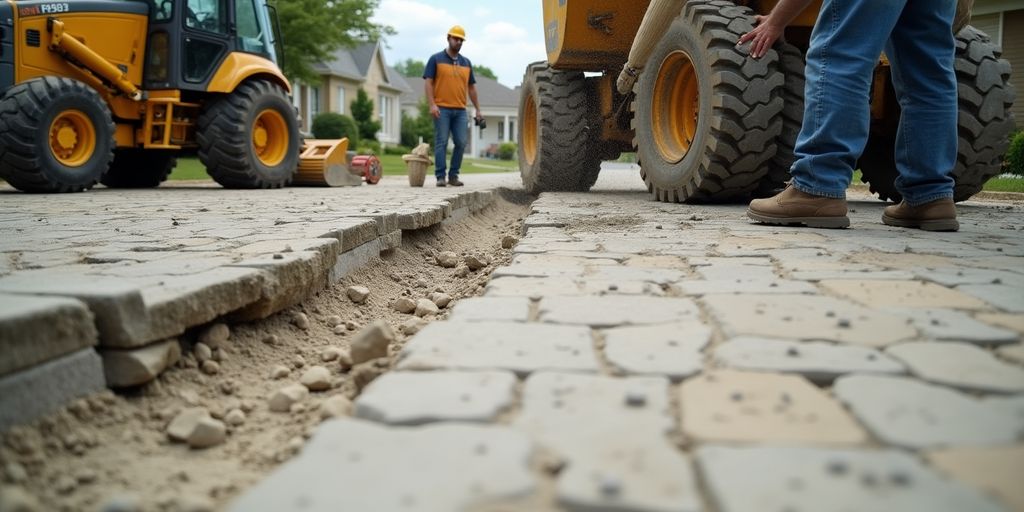
- Removal: We’ll start by carefully removing the old driveway, making way for your fresh new surface.
- Preparation: This includes grading the area and ensuring proper drainage.
- Pouring: Our crew will pour and level the new concrete, ensuring a smooth finish.
- Curing: Allow the concrete to cure correctly for durability.
A well-planned driveway replacement can greatly enhance your home’s appearance and value.
By following these steps, you can ensure a smooth and successful driveway replacement process.
Maintenance Tips for a Long-Lasting Driveway
Regular Cleaning and Sealing
Keeping your driveway clean is essential for its appearance and durability. Here are some tips:
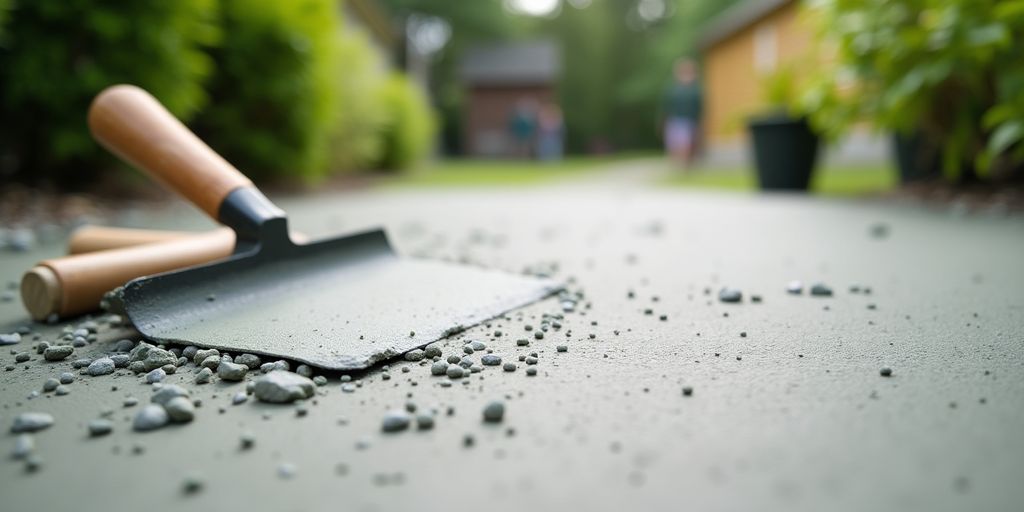
- Pressure wash your driveway at least once a year to remove dirt and stains.
- Seal your driveway every 2-3 years to protect it from cracks and stains. If done by a pro, this can cost around $1 to $2 per square foot, but DIY sealing can be cheaper at about $0.50 to $0.75 per square foot.
- Regularly check for small cracks and fill them promptly to prevent bigger issues later.
Repairing Minor Damages
Even with good maintenance, minor damages can occur. Here’s how to handle them:
- Inspect your driveway regularly for cracks or chips.
- Use a concrete patching kit to fill small cracks. These kits are affordable, costing around $10 to $30.
- For larger cracks, consider professional help to ensure proper repair.
Seasonal Maintenance Advice
Different seasons can affect your driveway. Here are some seasonal tips:
- Spring: Check for winter damage and clean the surface.
- Summer: Ensure proper drainage to avoid water pooling.
- Fall: Clear leaves and debris to prevent stains and mold.
- Winter: Use salt sparingly to avoid damage from ice melt products.
Tip: Always factor in the cost of tool rental and debris removal when calculating your DIY budget.
By following these maintenance tips, you can ensure your driveway remains in great shape for years. Regular care is crucial in avoiding costly repairs and keeping your driveway looking its best!
Comparing Concrete with Other Driveway Materials
When choosing a driveway material, understanding the differences between options is crucial. Here’s a comparison of concrete with other popular materials:
Concrete vs. Asphalt
- Durability: With proper care, concrete driveways can last up to 40 years, while asphalt typically lasts 15-20 years.
- Maintenance: Concrete requires minimal maintenance, mainly cleaning and sealing, whereas asphalt needs resealing every few years.
- Cost: Concrete installation costs range from $9 to $24 per square foot, while asphalt costs between $7 and $13 per square foot.
Concrete vs. Pavers
- Aesthetic Appeal: Pavers offer a variety of colors and patterns, enhancing curb appeal. Concrete can also be decorative but is less versatile.
- Repair: Pavers can be easier to repair since individual stones can be replaced without redoing the entire surface. Concrete repairs can be more complex.
- Cost: Paver driveways can cost between $10 and $30 per square foot compared to concrete’s lower range.
Concrete vs. Gravel
- Affordability: Gravel is the most budget-friendly option, costing between $1 and $3 per square foot, while concrete is more expensive.
- Maintenance: Gravel requires regular leveling and topping off, while concrete needs less frequent attention.
- Durability: Concrete is more durable and stable than gravel, which can shift and create uneven surfaces.
| Material | Lifespan (Years) | Cost per Square Foot | Maintenance Needs |
|---|---|---|---|
| Concrete | Up to 40 | $9 – $24 | Low |
| Asphalt | 15 – 20 | $7 – $13 | Moderate |
| Pavers | 25 – 50 | $10 – $30 | Moderate to High |
| Gravel | 10 – 20 | $1 – $3 | High |
Choosing the right material for your driveway can significantly impact your home’s appearance and value. Consider your budget, maintenance preferences, and aesthetic goals before making a decision.
In summary, each driveway material has its advantages and disadvantages. Concrete stands out for its durability and low maintenance, making it a popular choice for homeowners looking for a long-lasting solution.
How to Save Money on Driveway Replacement
DIY Preparations
Taking on some tasks yourself can help you save money. Here are a few things you can do:
- Prepare the area by clearing debris and old materials.
- Handle minor repairs like filling small cracks, which can cost around $15 to $35 if done professionally.
- Manage the cleanup after the project is done.
Off-Season Discounts
Timing your project can lead to significant savings. Consider these points:
- Contractors are often less busy in late fall and early winter, which can lower labor costs.
- Avoid scheduling during the rainy season or the coldest months. Early summer or autumn are ideal times.
Material Choices
Choosing the suitable materials can also help you save:
- Gravel is a cheaper option compared to concrete and pavers.
- Grass driveways can be a cost-effective alternative, especially if you want a green look.
- Remember, while gravel needs topping up every 2-3 years, it can be a budget-friendly choice.
Contractor Quotes
Getting multiple quotes is essential:
- Aim for at least three quotes from different contractors.
- Compare costs, warranties, and customer reviews.
- Don’t just pick the lowest quote; quality is important, too.
Questions to Ask Contractors:
- Are you licensed, insured, and bonded?
- Can you show examples of your previous work?
- What extra costs should I expect?
Bulk Discounts
If your neighbors are also considering driveway work, you might save more by teaming up:
- Some contractors offer bulk discounts for multiple homes on the same street.
- Talk to your neighbors to see if you can save together.
By following these tips, you can manage the cost of replacing your driveway more effectively. Remember, everything you should know about driveway replacement includes planning and smart choices to save money!
Final Thoughts on Concrete Driveway Replacement
In conclusion, replacing your concrete driveway is an extensive choice that can boost your home’s look and value. While it might seem expensive initially, the benefits you get in the long run, like less upkeep and a longer-lasting surface, make it worth it. To ensure you get the best deal, always compare prices from different contractors, keep your design simple, and think about doing some prep work yourself. Planning your project during off-peak times can also help you save money. A new driveway enhances your home’s curb appeal and provides safety and durability for years to come.
Frequently Asked Questions
What is the average cost to remove and replace a concrete driveway?
The typical cost of removing and replacing a concrete driveway varies depending on its size and location. Contact us for a quote!
How long does a concrete driveway last?
A well-maintained concrete driveway can last 25 to 30 years, sometimes even longer.
What are the signs that my driveway needs to be replaced?
Look for major cracks, potholes, or uneven surfaces. If fixing these issues is difficult, replacement might be the best option.
Can I do the removal and replacement myself?
While it’s possible to do it yourself, hiring professionals is often better to ensure the job is done correctly.
Are there cheaper alternatives to concrete driveways?
Materials like asphalt or gravel can be less expensive, but they may not last as long as concrete.
What maintenance does a concrete driveway need?
Regular cleaning, sealing, and fixing small cracks can help keep your driveway in good shape for many years.


