

Expert Tips for Effective Concrete Repair in Salt Lake City
Concrete repair is essential for maintaining the safety and beauty of properties in Salt Lake City. Whether it’s a driveway, patio, or sidewalk, timely repairs can prevent further damage and save money in the long run. Here are some expert tips to help you effectively navigate the concrete repair process.
Key Takeaways
- Address concrete issues as soon as you notice them to avoid costly repairs later.
- Explore different repair methods like mud jacking, which can be more affordable than a complete replacement.
- Hire qualified contractors by checking their experience and reviews to ensure quality work.
- Consider scheduling repairs during off-peak seasons for better rates and availability.
- Regular maintenance, such as sealing and inspections, can extend the life of your concrete.
Understanding the Importance of Timely Concrete Repair
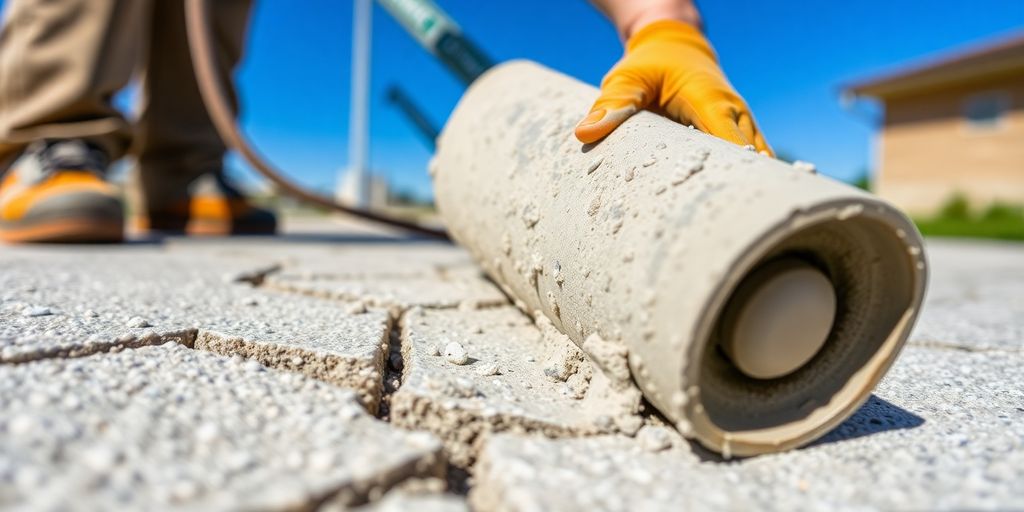
Concrete is a strong material but needs care to stay in good shape. Timely repairs can prevent bigger problems down the road. Here’s why it’s important to fix concrete issues as soon as you notice them:
Preventing Further Damage
- Cracks and chips can grow if not fixed quickly.
- Water can seep into cracks, causing more damage.
- Ignoring small issues can lead to costly repairs later.
Cost Implications of Delayed Repairs
| Type of Repair | Immediate Cost | Cost After 6 Months | Cost After 1 Year |
|---|---|---|---|
| Minor Crack Filling | $100 | $300 | $600 |
| Surface Leveling | $200 | $500 | $1,000 |
| Full Replacement | $1,000 | $1,500 | $2,500 |
Safety Concerns
- Uneven surfaces can cause tripping hazards.
- Cracked concrete can lead to accidents for both pedestrians and vehicles.
- Regular maintenance helps keep everyone safe.
Taking care of your concrete now can save you time and money later. Don’t wait until it’s too late!
Choosing the Right Concrete Repair Method
Selecting the right method is crucial when fixing concrete. Different situations call for solutions, and understanding your options can save you time and money.
Mudjacking vs. Replacement
- Mudjacking is often a more effective and cost-efficient option than full replacement. It involves injecting a mixture under the slab to lift it back to its original position.
- Replacement can be two to three times more expensive and may not address the underlying issues causing the damage.
- Consider the long-term implications; mudjacking can provide lasting results by stabilizing the soil beneath.
Benefits of Polyurethane Foam Injection
- Quick and Efficient: Repairs can often be completed in just a few hours.
- Cost-Effective: This method is generally cheaper than replacing the entire slab.
- Durable: The foam is resistant to moisture and pests, ensuring a long-lasting repair.
| Method | Cost Estimate | Time to Complete | Durability |
|---|---|---|---|
| Mudjacking | $$ | Few hours | Long-lasting |
| Polyurethane Foam Injection | $ | Few hours | Very durable |
| Full Replacement | $$$ | Days | Moderate |
Factors to Consider
- The extent of Damage: Assess how severe the damage is before deciding.
- Soil Conditions: Understanding the soil beneath can help choose the right method.
- Budget: Always consider your budget and the long-term costs of repairs.
Choosing the right repair method can prevent future issues and save you money in the long run. Understanding your options is key to effective concrete repair.
In summary, whether you opt for mud jacking, polyurethane foam injection, or a full replacement, knowing the pros and cons of each method will help you make an informed decision. Always consult a professional to ensure the best outcome for your concrete repair needs.
Hiring a Qualified Concrete Repair Contractor in Salt Lake City
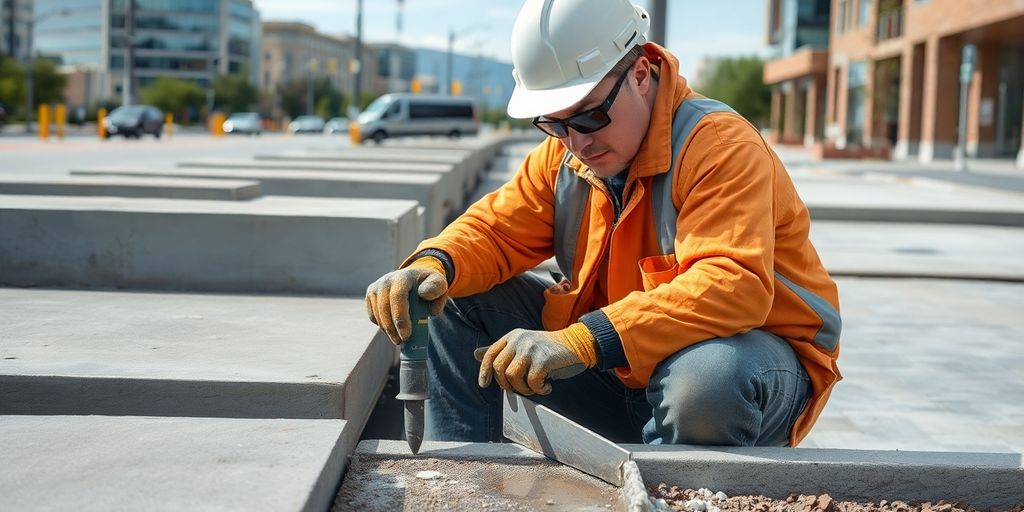
When it comes to fixing concrete, finding the right contractor is crucial. Here are some tips to help you choose wisely:
Checking Credentials and Experience
- Look for a contractor who is licensed and insured.
- Check how long they have been in business; experience matters.
- Ask for proof of their previous work and any relevant certifications.
Reading Reviews and Testimonials
- Search for online reviews to see what past customers say.
- Request references from the contractor and follow up with them.
- Look for testimonials that highlight their work quality and customer service.
Getting Multiple Quotes
- Contact at least three contractors to get quotes.
- Compare the prices, but also consider the services included.
- Don’t just go for the cheapest option; quality is important too.
Choosing the right contractor can save you time and money in the long run. Make sure to do your homework before making a decision.
By following these steps, you can ensure that you hire a qualified contractor who will do a great job on your concrete repair needs in Salt Lake City. Remember, a good contractor can make all the difference!
Cost-Effective Concrete Repair Solutions
When it comes to fixing concrete, finding affordable options is critical. Here are some effective strategies to consider:
Planning Repairs in Off-Peak Seasons
- Schedule repairs during off-peak times to save money.
- Contractors may offer discounts when they are less busy.
- Weather conditions can also affect pricing; mild weather is ideal.
Comparing Costs of Different Methods
| Repair Method | Average Cost | Pros | Cons |
|---|---|---|---|
| Mudjacking | $3-$6 per sq ft | Cost-effective, quick | It may not last as long as other methods |
| Polyurethane Foam Injection | $5-$10 per sq ft | Durable, minimal disruption | Higher initial cost |
| Full Replacement | $10-$15 per sq ft | Long-lasting, new surface | Most expensive option |
DIY vs. Professional Repairs
- DIY methods can save money but may not be effective for large areas.
- Hiring a professional ensures quality work and long-lasting results.
- Always weigh the potential costs of mistakes against the savings of doing it yourself.
Regular maintenance can prevent future settlement and extend the life of your concrete surfaces.
Considering these options, you can make informed decisions that keep your concrete in great shape without breaking the bank. Remember, timely repairs can save you from more costly issues!
Maintaining Your Concrete After Repair
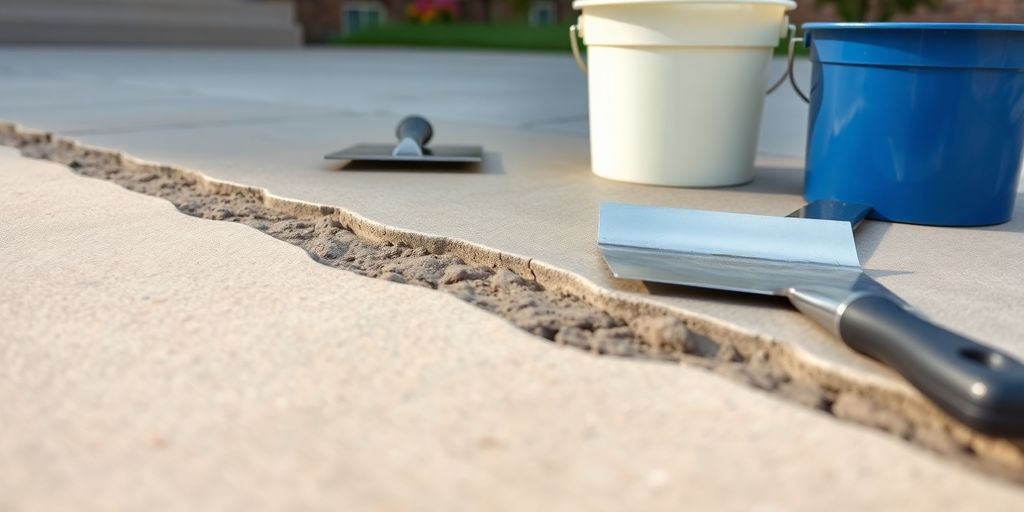
After repairing your concrete, keeping it in good shape is crucial. Regular maintenance can significantly extend the life of your concrete surfaces. Here are some essential tips to help you maintain your concrete:
Sealing and Caulking
- Seal the surface: A high-quality sealant protects against moisture and UV rays.
- Caulk joints: Fill gaps between concrete slabs to prevent water infiltration.
- Reapply sealant: Aim to reseal every 2-3 years for optimal protection.
Regular Inspections
- Check for cracks: Look for any new cracks or damage needing attention.
- Inspect drainage: Ensure water flows away from your concrete to avoid pooling.
- Monitor for stains: Clean any stains promptly to prevent long-term damage.
Preventive Measures
- Avoid chemical deicers: Use sand instead during winter to prevent scaling.
- Keep it clean: Regularly sweep and wash your concrete to remove dirt and debris.
- Address issues early: Fix small cracks before they become more significant problems.
Maintaining your concrete is not just about aesthetics; it’s about ensuring its longevity and durability. Regular care can save you from costly repairs down the line.
By following these steps, you can keep your concrete looking great and functioning well for years to come. Remember, proactive maintenance is key to preventing future issues!
Common Causes of Concrete Damage in Salt Lake City
Concrete damage can happen for various reasons, especially in Salt Lake City. Understanding these causes can help homeowners take preventive measures.
Weather Conditions
- Extreme temperatures can lead to thermal expansion and contraction, causing cracks over time.
- Heavy snowfall and ice can create additional stress on concrete surfaces.
- Rain and moisture can seep into cracks, worsening the damage.
Soil Erosion and Compaction
- Soil erosion can undermine the foundation of concrete structures, leading to sinking.
- Poor soil compaction can result in uneven surfaces, making concrete more susceptible to damage.
- Tree roots can also disrupt the soil, causing foundation issues.
Water Infiltration
- Water can infiltrate through cracks, leading to further deterioration.
- Pooling water around concrete can increase the risk of damage.
- Regular inspections can help identify early signs of water-related issues.
Regular maintenance and early detection of these issues can save homeowners from costly repairs in the future.
Innovative Concrete Repair Techniques
Eco-Friendly Solutions
Concrete repair has evolved significantly, with a focus on sustainable practices. One of the most notable advancements is using polyurethane foam for lifting and leveling concrete. This method is effective and environmentally friendly, reducing waste by reusing existing slabs instead of replacing them.
Advanced Materials and Technologies
Modern techniques have introduced new materials that enhance the durability and efficiency of repairs. For instance, polyurethane foam expands to fill voids under concrete, providing a solid base to support heavy loads. Here’s a quick comparison of traditional methods versus innovative techniques:
| Method | Time Required | Durability | Environmental Impact |
|---|---|---|---|
| Mudjacking | 1-2 days | Moderate | Higher |
| Polyurethane Foam | A few hours | High | Lower |
Case Studies
Several successful projects in Salt Lake City showcase the effectiveness of these innovative techniques. For example, a recent sidewalk repair utilized foam injection, resulting in a stable and long-lasting solution. This method saved time and minimized disruption to the surrounding area.
Innovative concrete repair techniques are transforming the industry, making repairs faster, more efficient, and environmentally friendly.
By adopting these modern methods, property owners can ensure their concrete surfaces remain safe and attractive for years. At FoamWorks, we prioritize quality and sustainability in every project.
Residential Concrete Repair Tips
Driveway and Walkway Repairs
Maintaining your driveway and walkways is essential for both safety and aesthetics. Cracks and uneven surfaces can lead to accidents and diminish your home’s curb appeal. Here are some tips:
- Inspect regularly for cracks or uneven areas.
- Clean the surface to remove debris and dirt.
- Fill cracks with appropriate concrete filler, ensuring proper preparation is key to a long-lasting repair.
Patio and Porch Maintenance
Your patio and porch are vital parts of your home’s outdoor space. Keeping them in good shape enhances your enjoyment and safety. Consider these steps:
- Check for signs of wear, such as cracks or discoloration.
- Seal the surface to protect against moisture and weather damage.
- Repair any damage promptly to prevent further issues.
Garage Floor Solutions
A well-maintained garage floor can improve the overall look of your garage and prevent accidents. Here’s how to keep it in top shape:
- Use a degreaser to clean oil stains.
- Fill cracks with a concrete patching compound.
- Consider sealing the floor to protect it from future damage.
Regular maintenance can prevent future settlement and extend the life of your concrete surfaces.
By following these tips, you can ensure your residential concrete remains safe and attractive for years. Remember, addressing issues early can save you time and money in the long run!
Commercial Concrete Repair Considerations
There are several key factors to remember when it comes to maintaining your commercial concrete. Whether you own or manage a commercial property, finding a dependable contractor takes time and preparation. Here are some important considerations:
High-Traffic Area Solutions
- Durability: Choose materials that can withstand heavy foot and vehicle traffic.
- Quick Repairs: Opt for methods that minimize downtime, ensuring your business operations continue smoothly.
- Safety: Ensure that repairs do not create hazards for customers or employees.
Aesthetic and Functional Improvements
- Curb Appeal: Well-maintained concrete enhances the appearance of your property, attracting more customers.
- Functionality: Consider how repairs can improve the usability of your space, such as better drainage or smoother surfaces.
- Compliance: Ensure that all repairs meet local building codes and regulations.
Long-Term Durability
- Quality Materials: Invest in high-quality materials that will last longer and require less frequent repairs.
- Regular Maintenance: Schedule routine inspections to catch issues early before they escalate.
- Professional Expertise: Hiring experienced contractors can ensure that repairs are done correctly the first time.
Remember, timely and effective repairs not only protect your investment but also enhance the safety and appearance of your commercial property.
The Role of Preventive Maintenance in Concrete Longevity
Concrete is a strong material, but it still needs care to last long. Regular maintenance can save you money and keep your concrete looking good. Here are some key points to consider:
Scheduled Maintenance Plans
- Regular Inspections: Check your concrete surfaces for cracks or wear.
- Cleaning: Keep surfaces clean to spot issues early.
- Sealing: Apply sealants every few years to protect against moisture and UV rays.
Identifying Early Signs of Damage
- Look for small cracks or discoloration.
- Watch for uneven surfaces or pooling water.
- Check for any misalignment in doors and windows.
Benefits of Regular Upkeep
- Increased Longevity: Well-maintained concrete lasts longer.
- Cost Savings: Preventing minor issues can avoid big repairs later.
- Safety: Regular checks can prevent accidents from uneven surfaces.
Taking these steps can help ensure the resilience of concrete, leading to minimal costs for maintenance and repair. Regular upkeep is essential for keeping your concrete strong and beautiful.
Understanding Concrete Lifting and Leveling
Concrete lifting is a method for raising and leveling sunken or uneven concrete surfaces. This technique is beneficial for driveways, sidewalks, and patios that may have settled over time. Concrete lifting is often more affordable than replacing the entire slab.
What is Concrete Lifting?
Concrete lifting involves various methods to elevate concrete back to its original position. The most common method is polyurethane foam injection, known for its durability and quick curing time.
Methods of Concrete Leveling
There are several methods for concrete leveling:
- Polyurethane Foam Injection: This method uses a unique foam that expands to fill voids under the concrete.
- Mudjacking: A mixture of water, soil, and cement is pumped under the slab to lift it.
- Slab Jacking: Similar to mud jacking, but uses a different mixture to achieve the lift.
Choosing the Right Technique
When deciding on a concrete lifting method, consider the following factors:
- Type of Damage: Assess whether the concrete is cracked, sunken, or uneven.
- Soil Conditions: Understand the soil type and its ability to support the concrete.
- Cost: Compare the costs of different methods to find the most suitable option.
Concrete lifting is a practical solution that can save time and money while ensuring a safe and level surface for your property.
Understanding the basics of concrete lifting and leveling can help homeowners and businesses in Salt Lake City make informed decisions about maintaining their concrete surfaces. Working with concrete requires careful planning and execution to avoid further issues.
Final Thoughts on Concrete Repair
Repairing concrete in Salt Lake City can be simple and effective if you know what to do. By acting fast when you see cracks or uneven areas, you can save money and avoid more significant problems later. Choosing methods like mudjacking can help fix issues without replacing the whole slab, which is often more expensive. Always remember to keep your concrete well-maintained to make repairs last longer. If you notice any signs of damage, contact a professional for help. Taking these steps will keep your concrete looking good and safe for everyone.
Frequently Asked Questions
What is concrete lifting?
Concrete lifting is a method for raising and leveling sunken or uneven concrete surfaces. It involves injecting materials like polyurethane foam under the concrete to return it to its original height.
Why does concrete sink?
Concrete can sink for several reasons, including soil erosion, poor soil compaction, heavy loads, and water infiltration. These issues can cause the ground beneath the concrete to shift, leading to uneven surfaces.
What are the advantages of concrete lifting?
Concrete lifting is a cost-effective solution that is quick and less invasive than replacing concrete. It helps extend the life of your concrete surfaces and removes trip hazards.
How long does the concrete lifting process take?
The concrete lifting process usually takes a few hours, depending on the fixed area’s size and condition. Most jobs can be completed within a single day.
Can I do concrete lifting myself?
While DIY guides are available, hiring a professional is often better. They have the right tools and experience to ensure the job is done correctly.
How can I maintain my concrete after lifting?
Seal any cracks and regularly inspect the surface to keep your concrete in good shape. This helps prevent moisture from causing further damage.
Is concrete lifting suitable for all types of concrete surfaces?
Concrete lifting can be applied to various surfaces, including driveways, sidewalks, patios, and garage floors.
What should I look for in a concrete repair contractor?
When choosing a contractor, check their credentials, read reviews, and get multiple quotes to ensure you find a qualified professional. Reach out to us today to get a quote. (801) 420-5243


