

Finding Reliable Concrete Lifting Near Me: A Comprehensive Guide to Local Services
Ever noticed a sinking driveway or uneven patio and wondered, “Is there a reliable solution nearby?” Concrete lifting might be just what you need. It’s a practical way to fix those sunken spots without replacing the whole slab. But finding trustworthy services can be tricky, especially with so many options out there. This guide is here to help you figure out how to find the right local experts for the job.
Key Takeaways
- Concrete lifting fixes sunken or uneven slabs, making surfaces safer and more functional.
- Common methods include mudjacking and polyurethane foam lifting, each with its pros and cons.
- A good contractor should be experienced, transparent, and have solid customer reviews.
- Local services often understand your area’s specific conditions better, like soil or weather.
- DIY concrete lifting can lead to bigger problems if not done correctly—professional help is usually best.
Understanding the Basics of Concrete Lifting
What Is Concrete Lifting and Why Is It Important?
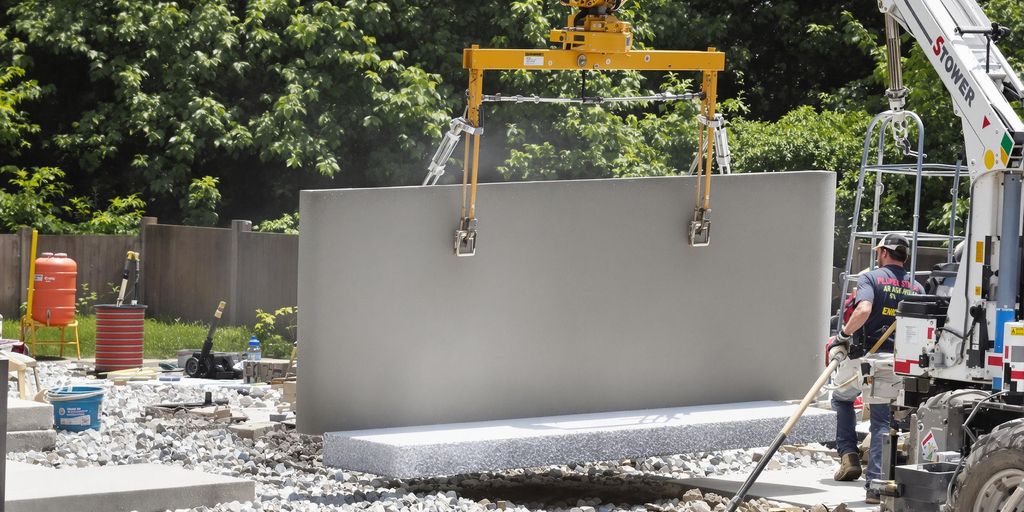
Concrete lifting is a way to fix uneven or sunken concrete slabs by raising them back to their original position. This process restores the surface’s functionality and prevents further damage. Whether it’s a driveway, patio, or sidewalk, lifting the concrete can save you money compared to replacing it entirely. Plus, it helps avoid accidents like trips or falls caused by uneven surfaces.
Common Causes of Concrete Settling
There are a few reasons why concrete might sink or settle over time:
- Soil erosion: Rainwater or poor drainage can wash soil away, leaving gaps under the concrete.
- Heavy loads: Parking heavy vehicles or placing large objects can compress the ground underneath.
- Poor soil compaction: If the soil wasn’t packed down properly before the concrete was poured, it might shift later.
Signs You Need Concrete Lifting Services
Not sure if you need concrete lifting? Here are some things to look for:
- Cracks forming in the concrete surface.
- Uneven or sloped areas that weren’t there before.
- Water pooling in specific spots after it rains.
If you notice these issues, it’s better to act sooner rather than later. Waiting too long can make the problem worse and more expensive to fix.
How to Identify Reliable Concrete Lifting Services
Key Qualities of a Trustworthy Contractor
When searching for a concrete lifting service, it’s important to know what sets a good contractor apart. Experience is key—look for companies that have been in the business for several years and have a proven track record. Additionally, check if they are licensed and insured. This protects you in case something goes wrong during the project. Lastly, a reliable contractor will always provide a detailed estimate upfront, so there are no surprises later on.
Questions to Ask Before Hiring
Before you hire anyone, make sure to ask these questions:
- How long have you been in the industry?
- What methods do you use for concrete lifting—mudjacking or polyurethane foam?
- Can you provide references or testimonials from previous customers?
- What’s included in the estimate, and are there any potential extra charges?
- Do you offer a warranty for your work?
Having this conversation will not only give you peace of mind but also help you spot any inconsistencies or vague answers.
Red Flags to Watch Out For
Not every contractor is worth your time or money. Here are some red flags to be aware of:
- No clear or written contract.
- Hesitation to provide references or past work examples.
- Unrealistically low prices—this could mean they’re cutting corners.
- Lack of proper equipment or outdated methods.
Always trust your gut. If something feels off during your initial interactions, it’s better to keep looking.
For those looking to hire top local concrete mudjacking professionals, make sure to compare services and read verified reviews. It’s a step that can save you a lot of hassle later on!
Exploring Different Methods of Concrete Lifting
Overview of Mudjacking
Mudjacking is one of the oldest methods used for lifting sunken concrete. It involves pumping a slurry made of cement, water, and sand beneath the concrete to fill voids and push the slab back into place. This technique is popular because it’s cost-effective and works well for many common repairs. However, it may not be ideal for areas with unstable soil or heavy moisture since the slurry can erode over time.
Benefits of Polyurethane Foam Lifting
Polyurethane foam lifting is a more modern solution that uses a lightweight foam to raise concrete slabs. The foam is injected through small holes drilled into the concrete, where it expands and hardens. This method is highly durable and resistant to water damage, making it a great choice for long-term repairs. It’s also faster than mudjacking, with minimal disruption to the surrounding area. For a closer look at how this compares to other methods, explore the differences between stone slurry grout, polyjacking, and mudjacking.
Comparing Traditional and Modern Techniques
When deciding between traditional methods like mudjacking and modern options like polyurethane foam, it’s important to weigh the pros and cons:
| Method | Durability | Cost | Installation Time |
|---|---|---|---|
| Mudjacking | Moderate | Lower | Longer |
| Polyurethane Foam | High | Higher | Shorter |
Choosing the right method often depends on your specific needs, including the condition of the concrete, soil type, and budget. Consulting a professional can help you make the best decision for your project.
The Cost of Concrete Lifting Services
Factors That Influence Pricing
The price of concrete lifting can vary quite a bit, and several factors come into play. First off, the size of the area needing repair is a big one—larger slabs require more material and labor, which naturally raises costs. Another factor is the method used. For example, mudjacking might cost less upfront compared to polyurethane foam lifting, but each has its pros and cons. Other considerations include the severity of the settling and the condition of the existing concrete. Finally, don’t forget about location. Local labor rates and material costs can fluctuate based on where you live.
How to Get Accurate Estimates
Getting a clear idea of what you’ll pay starts with reaching out to professionals for quotes. Here’s how you can ensure you’re getting accurate numbers:
- Measure the Area: Have the dimensions of the affected concrete ready to share.
- Describe the Problem: Be detailed when explaining the issue to contractors.
- Ask for a Breakdown: Request itemized estimates that cover materials, labor, and any potential extras.
Don’t hesitate to get multiple quotes so you can compare prices and services. Also, check if the contractor offers a warranty—it might save you money in the long run.
Balancing Cost and Quality
While it might be tempting to go with the cheapest option, remember that quality matters. Poor workmanship could lead to issues down the road, costing you even more. Look for contractors who balance fair pricing with reliable service. One tip? Check reviews and ask for references to see if past customers were satisfied with their results.
Concrete leveling typically costs around $1,229, with most homeowners spending between $662 and $1,866. The price varies depending on the leveling method used.
Preparing for a Concrete Lifting Project
Steps to Take Before the Professionals Arrive
Getting ready for a concrete lifting project might feel overwhelming, but a little prep work can make a big difference. Here’s a quick checklist to get started:
- Clear the Area: Move any furniture, plants, or obstacles out of the way. This ensures the crew has enough space to work safely and efficiently.
- Inspect the Site: Take a walk around the area and note any cracks, uneven surfaces, or drainage issues. Sharing this info with the contractor can help them plan better.
- Double-Check Access Points: Make sure the team can easily get to the work area. If there are locked gates or tricky pathways, let them know ahead of time.
How to Maintain Safety During the Process
Safety is a big deal during concrete lifting. Here’s how to keep everyone safe:
- Keep Kids and Pets Away: It’s best to keep them indoors or in a secure spot while work is happening.
- Follow Contractor Guidelines: If your contractor gives specific safety instructions, follow them closely.
- Stay Clear of Equipment: Heavy machinery will likely be in use, so steer clear to avoid accidents.
Post-Lifting Care and Maintenance Tips
Once the job’s done, you’re not completely off the hook. A little maintenance can go a long way in keeping your concrete in top shape:
- Seal the Surface: Adding a sealant can protect the concrete from moisture and wear.
- Fix Drainage Issues: If water pooling caused the problem in the first place, tackle that now to avoid future settling.
- Regular Inspections: Check your concrete every few months for any signs of new cracks or unevenness.
Pro Tip: Staying proactive with maintenance can save you from needing another repair down the line. A little effort now can prevent a bigger headache later.
Benefits of Choosing Local Concrete Lifting Experts
Faster Response Times and Accessibility
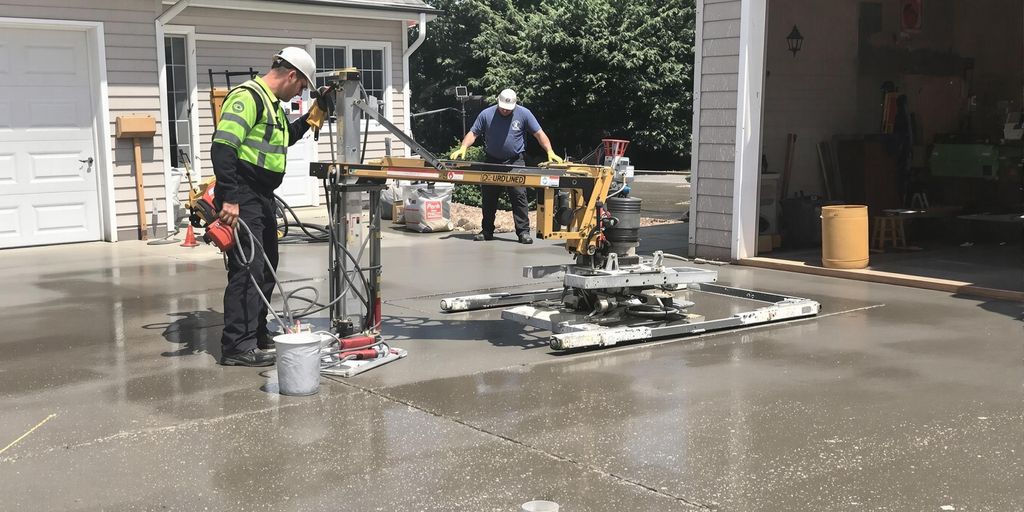
When you hire a local concrete lifting company, you’re getting a team that’s just around the corner. This means quicker response times, whether it’s for an initial consultation or the actual repair work. Emergencies, like sudden cracks or dangerous uneven surfaces, can be addressed faster than if you were working with a company based miles away. Plus, having someone nearby makes follow-ups and additional consultations way easier.
Understanding Local Soil and Weather Conditions
Local professionals have a better grasp of the unique soil types and weather patterns in your area. For example, they’ll know if your region’s clay-heavy soil is prone to shrinking and expanding or if freeze-thaw cycles are a common issue. This insight helps them tailor their methods for long-lasting results. An out-of-town contractor might not have this level of understanding, leading to solutions that don’t hold up over time.
Supporting Your Community by Hiring Local
Choosing a local business doesn’t just benefit you—it helps your community, too. When you hire nearby contractors, you’re keeping your money within the local economy. This supports small businesses and creates jobs for people in your area. It’s a win-win situation: you get reliable service, and you’re also contributing to the growth and stability of your neighborhood.
Local companies often rely on their reputation within the community, so they’re more likely to go above and beyond to ensure customer satisfaction.
By working with a nearby expert, you’re not just solving a concrete issue—you’re making a choice that benefits everyone involved. For long-term durability and customer care, consider hiring a professional concrete expert who understands your area’s needs.
Avoiding DIY Concrete Lifting Pitfalls
Why Professional Expertise Matters
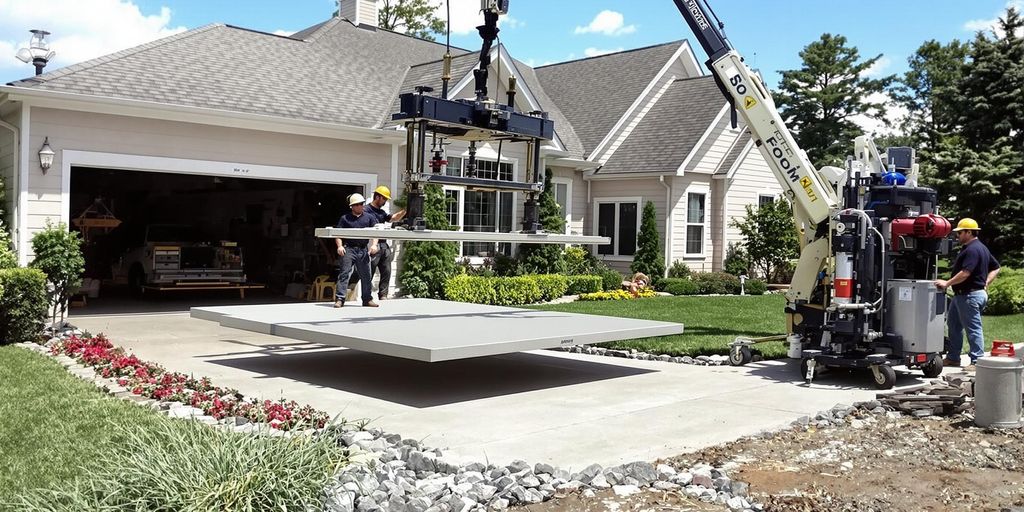
When it comes to concrete lifting, it might seem like a straightforward task at first glance. After all, how hard can it be to level out a slab? But the truth is, this is a job that requires specialized knowledge and tools. Without the right expertise, you risk making the problem worse. A poorly executed lift can lead to uneven surfaces, further settling, or even cracks in the concrete. Professionals know how to assess the root cause of the issue—something that’s not always obvious to the untrained eye.
Common Mistakes in DIY Concrete Lifting
Many people make the same errors when attempting to lift concrete themselves. Here are a few of the most common pitfalls:
- Using the wrong materials: Not all lifting methods are created equal. For example, DIY mudjacking often involves materials that may not hold up over time.
- Skipping soil analysis: The ground beneath your slab plays a huge role in its stability. Ignoring this step can lead to repeated issues.
- Rushing the process: Concrete lifting isn’t something you can rush. Improper curing or uneven lifting can leave you with a bigger mess than you started with.
Long-Term Risks of Improper Repairs
Taking shortcuts or using subpar methods can have long-term consequences. A poorly lifted slab can shift again, leading to additional costs down the road. Worse, it can create safety hazards like tripping risks or structural instability. Investing in professional help upfront can save you from these headaches later.
Don’t underestimate the complexity of concrete lifting. While it might seem like a cost-saving DIY project, the risks often outweigh the benefits. Let the pros handle it and enjoy the peace of mind that comes with a job done right.
Evaluating Customer Reviews and Testimonials
How to Spot Genuine Feedback
When you’re scrolling through reviews, it can be tough to tell which ones are real and which might be fake. Look for detailed comments about the service, like how long the job took or how the team handled any unexpected issues. A review that just says “Great job!” might not tell you much. Another tip? Check for balanced feedback. If someone mentions both positives and a small downside, it’s probably legit.
The Role of Online Ratings in Decision-Making
Online ratings can give you a quick idea of what to expect. A contractor with a solid 4.5 stars is usually a safe bet. But don’t just focus on the stars—read the actual comments too. Sometimes a 5-star rating might not mean much if there are only two reviews, while a 4-star rating with hundreds of reviews could indicate consistent quality. It’s all about context.
| Rating | What It Might Mean |
|---|---|
| 5 Stars | Could be amazing—or only a few reviews. |
| 4 Stars | Generally reliable with minor complaints. |
| 3 Stars | Mixed experiences; do more research. |
Learning From Past Customer Experiences
Reading past customer experiences can give you a good idea of what it’s like to work with a contractor. Look for mentions of punctuality, professionalism, and how well they communicated during the project. Did they clean up after themselves? Were they easy to reach if there were follow-up questions? These small details can make a big difference.
“Taking the time to read through reviews is like having a sneak peek into what your own experience might look like. It’s a step you don’t want to skip.”
Wrapping It Up
Finding a good concrete lifting service nearby doesn’t have to be a headache. With a little research, asking the right questions, and checking reviews, you can feel confident about your choice. Whether it’s a small crack or a bigger project, having a reliable team makes all the difference. So, take your time, weigh your options, and go with a company that feels right for you. At the end of the day, it’s about getting the job done right and making sure your space is safe and solid again.
Frequently Asked Questions
What is concrete lifting?
Concrete lifting is a process to fix sunken or uneven concrete by raising it back to its original position. It helps make surfaces safe and even again.
Why does concrete settle or sink over time?
Concrete can settle because of poor soil, water erosion, or heavy loads. These factors weaken the ground under the concrete, causing it to sink.
How do I know if I need concrete lifting services?
If you notice cracks, uneven surfaces, or pooling water on your concrete, it might be time to call a professional to check it out.
What’s the difference between mudjacking and polyurethane foam lifting?
Mudjacking uses a heavy mixture of mud and cement to lift concrete, while polyurethane foam lifting uses a lightweight foam. Foam is quicker and less messy.
How much does concrete lifting usually cost?
The cost depends on the size of the area, the method used, and your location. It’s best to get a few quotes to compare prices.
Can I lift concrete myself instead of hiring a professional?
DIY concrete lifting can be risky and might not last. Professionals have the tools and skills to do the job safely and correctly.


