

Revolutionizing Construction: The Benefits of Using Concrete Foam for Sustainable Building Solutions
Concrete foam is making waves in the construction world, and for good reason. It’s not just another building material, but a game-changer for those looking to build sustainably. Unlike traditional concrete, concrete foam is lighter and offers better insulation, making it a popular choice for eco-friendly projects. This article dives into how concrete foam transforms how we think about building, from environmental benefits to innovative applications in modern architecture.
Key Takeaways
- Concrete foam is a sustainable alternative to traditional concrete, offering better insulation and reduced weight.
- Using concrete foam can significantly lower the carbon footprint of a building project.
- This material is eco-friendly and cost-effective, leading to long-term savings.
- Concrete foam is versatile, finding applications in residential, commercial, and infrastructure projects.
- Despite some challenges, the future of concrete foam in construction looks promising with ongoing innovations.
Understanding Concrete Foam: A Sustainable Building Material
What is Concrete Foam?
Concrete foam, often called foamed concrete, is a lightweight, versatile building material. It’s created by adding a foaming agent to a cement mix, resulting in a substance full of tiny air bubbles. This makes it not only light but also excellent for insulation. It’s a bit like the bubbly texture of a sponge cake but for construction. The air bubbles are key—they make the material easier to work with and significantly reduce its weight compared to traditional concrete.
Key Properties of Concrete Foam
Concrete foam boasts several impressive properties:
- Lightweight: Its reduced weight makes it easier to transport and handle on construction sites.
- Insulation: The air bubbles trapped within provide excellent thermal insulation, keeping buildings warm in winter and cool in summer.
- Fire Resistance: Unlike many other materials, concrete foam is non-combustible, adding a layer of safety.
How Concrete Foam Differs from Traditional Concrete
While traditional concrete is dense and heavy, concrete foam stands out due to its lightness and insulating properties. Conventional concrete is strong and durable but lacks concrete foam’s thermal benefits. Additionally, producing low-carbon concrete and other sustainable materials like recycled steel can significantly reduce carbon footprints, promoting environmentally friendly building practices. Concrete foam also tends to be more flexible in shaping and application, making it a favorite for innovative architectural designs.
Concrete foam is not just a building material; it’s a step towards more sustainable and efficient construction practices, offering unique benefits that traditional methods can’t match.
Environmental Advantages of Concrete Foam in Construction
Reducing Carbon Footprint with Concrete Foam
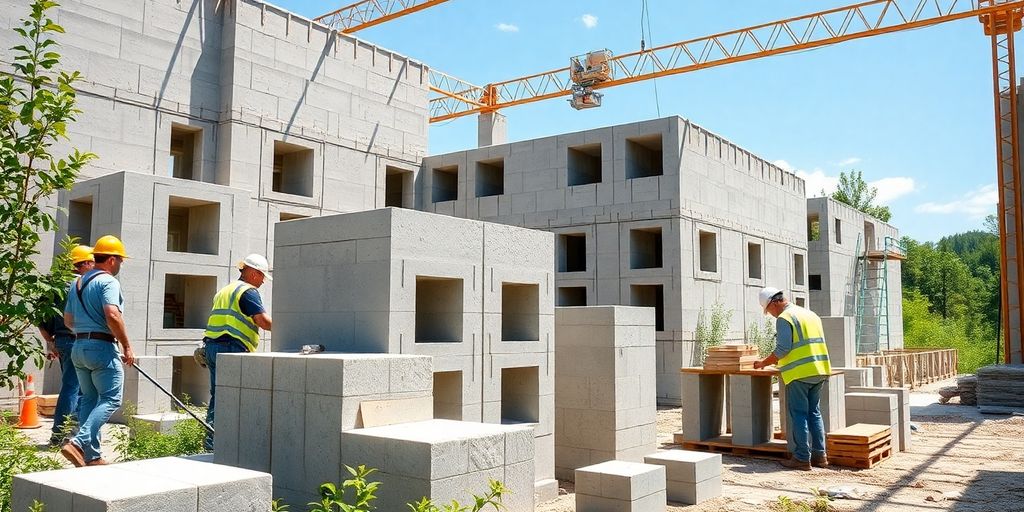
Concrete foam makes waves in the construction industry as a greener alternative to traditional concrete. Its production process requires less energy, so fewer greenhouse gases are emitted during manufacturing. This is a big deal because construction is a major contributor to global carbon emissions. By opting for concrete foam, builders can significantly reduce their carbon footprint. Plus, some types of concrete foam even incorporate recycled materials, further reducing environmental impact.
Energy Efficiency and Insulation Benefits
One of the standout features of concrete foam is its superior insulation properties. Buildings constructed with foam block concrete walls, or Insulated Concrete Forms (ICF), benefit from minimized heat transfer. This results in lower energy consumption for heating and cooling, saving money and reducing the building’s overall environmental footprint. Concrete foam is an excellent choice for those looking to enhance energy efficiency in their projects.
Concrete Foam’s Role in Waste Reduction
Construction waste is a huge problem, but concrete foam can help tackle it. The material’s lightweight nature means less is needed to achieve the same structural integrity as traditional concrete, leading to less on-site waste. Moreover, concrete foam can often be produced on-site, reducing the need for transportation and the associated emissions. By choosing concrete foam, builders are cutting waste and supporting a more sustainable construction cycle.
Opting for concrete foam in your construction projects isn’t just about building better—it’s about building smarter and more sustainably. The environmental benefits are clear, and as more builders adopt this innovative material, the impact on our planet will be profound.
Innovative Applications of Concrete Foam in Modern Architecture
Concrete Foam in Residential Buildings
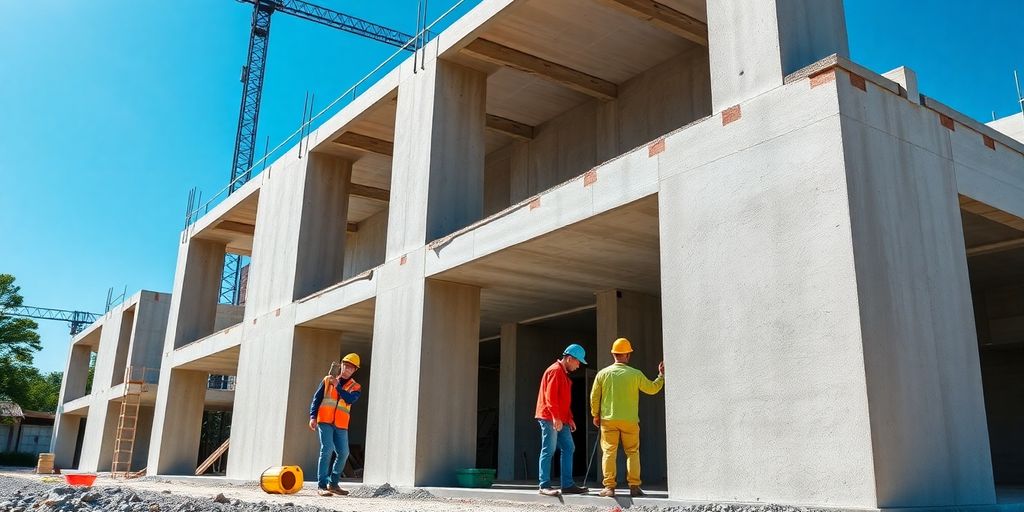
Concrete foam makes waves in residential construction due to its lightweight and insulating properties. Homebuilders are increasingly using it for walls, roofs, and even floors. This material reduces the overall weight of the structure, making it easier to work with and enhancing energy efficiency, cutting down on heating and cooling costs. Its soundproofing makes it perfect for urban homes, where noise pollution is a concern.
Commercial Uses of Concrete Foam
In the commercial sector, concrete foam is used for its durability and ease of installation. It’s a smart choice for office buildings and shopping centers. The material can be easily molded into various shapes, allowing for creative architectural designs. With its fire-resistant properties, concrete foam adds an extra layer of safety, making it a preferred choice for public spaces.
Concrete Foam in Infrastructure Projects
Infrastructure projects, like bridges and tunnels, benefit significantly from concrete foam due to its strength and lightweight nature. By using concrete foaming agents, engineers can create structures that are strong and reduce the load on the foundation, leading to longer-lasting constructions. This innovation also helps minimize raw material and energy consumption, promoting sustainable building practices.
Concrete foam is not just a building material; it’s a solution to modern architectural challenges, offering a blend of strength, flexibility, and sustainability.
Economic Benefits of Using Concrete Foam
Cost-Effectiveness in Construction
Building with concrete foam can be a real money-saver. Traditional materials often come with hefty price tags, but concrete foam changes the game. It’s lighter, which means less need for heavy-duty support structures and reduced transportation costs. Plus, construction crews can work faster with it, slashing labor expenses. Here’s a quick look at why it’s cost-effective:
- Material Savings: Uses less raw material than traditional concrete.
- Reduced Labor Costs: Easier handling and quicker installation.
- Lower Transport Costs: Light weight means fewer trips and less fuel.
Long-Term Savings with Concrete Foam
Concrete foam isn’t just about saving money upfront. It keeps giving back over time. Its insulating properties can lower heating and cooling bills, which is a big win for homeowners and businesses. And because it’s durable, you won’t have to fork out for repairs as often. Think of it as an investment that pays off year after year.
Choosing concrete foam for your project could mean fewer headaches and more savings down the road. It’s like getting a two-for-one deal: great performance now and cost savings later.
Enhancing Property Value with Sustainable Materials
Sustainable building materials are in high demand, and concrete foam fits right in. Using it can boost a property’s value, making it more attractive to eco-conscious buyers. Combining energy efficiency and sustainability can make a property stand out in a crowded market. Here’s how it enhances property value:
- Eco-Friendly Appeal: Attracts buyers interested in green living.
- Energy Efficiency: Lowers utility bills, a selling point for potential buyers.
- Durability: Long-lasting materials mean less maintenance and more value.
Incorporating foamed concrete into your construction project helps the environment and makes financial sense, providing benefits both immediately and in the long run. As more people catch on to these advantages, concrete foam is poised to become a staple in sustainable building practices.
Challenges and Solutions in Implementing Concrete Foam
Implementing concrete foam in construction isn’t without its hurdles. One major technical challenge is ensuring the consistency and quality of the foam mixture. Variations can lead to structural weaknesses or inefficiencies. Addressing these issues requires precise control over the mixing process and the use of high-quality materials.
Another technical barrier is adapting traditional construction equipment to work effectively with concrete foam. Many standard machines aren’t designed for this material, which can lead to inefficiencies and increased costs. Solutions include investing in specialized equipment or modifying existing machinery to handle the unique properties of concrete foam.
Concrete foam is relatively new in the construction industry, and with anything new, skepticism follows. Many builders and clients are accustomed to traditional materials and may doubt the durability or effectiveness of concrete foam. It is crucial to educate stakeholders about its benefits, such as its excellent insulation properties and reduced carbon footprint.
To shift perceptions, showcasing successful projects that have used concrete foam can be effective. Seeing real-world applications helps build trust and demonstrate the material’s capabilities. Collaborating with industry influencers and experts to advocate for concrete foam can help change minds.
The quality of concrete foam directly impacts its construction performance. Variability in production can lead to inconsistent results, which may undermine confidence in its use. Implementing rigorous quality control measures is essential for maintaining standards.
Some steps to ensure quality include:
- Regularly testing foam samples for density and strength.
- Train workers thoroughly on the proper handling and application of concrete foam.
- Establishing partnerships with reliable suppliers to guarantee high-quality raw materials.
Concrete foam is paving the way for a more sustainable construction future, but it requires overcoming significant challenges. By focusing on quality, educating the market, and adapting technology, the industry can fully embrace this innovative material.
The Future of Concrete Foam in Sustainable Building
Emerging Trends in Concrete Foam Technology
Concrete foam is not just a flash-in-the-pan trend; it’s setting the stage for future building practices. One of the most exciting developments is the creation of bio-based and recycled foam products. These innovations are pushing the boundaries of possible, making concrete foam even more eco-friendly. There’s also a push towards improving energy efficiency. New foam types are designed to enhance insulation properties, reducing the energy needed for heating and cooling.
Potential for Broader Adoption
As the construction industry continues to prioritize sustainability, the use of concrete foam is likely to grow. Its lightweight nature and ease of use make it ideal for offsite construction, which is becoming increasingly popular for its efficiency and reduced waste benefits. Moreover, as more builders and architects recognize the benefits of concrete foam—like its thermal insulation and soundproofing properties—its adoption will likely accelerate.
Concrete Foam’s Impact on Global Construction Practices
The global construction landscape could see significant shifts with the widespread use of concrete foam. It can significantly lower buildings’ carbon footprint, aligning with international efforts to combat climate change. The industry can further enhance its sustainability credentials by integrating waste materials such as WP and CP into foam concrete. This approach not only reduces waste but also creates a product that is both durable and environmentally friendly.
As we look to the future, concrete foam stands out as a beacon of hope for sustainable building practices. Its adaptability and eco-friendly attributes make it a strong contender in the fight against environmental degradation.
Wrapping It Up: The Future of Concrete Foam in Construction
So, there you have it. Concrete foam is changing the game in the building world. It’s not just about making things stronger or more durable—though it does that, too. It’s about building in a way that’s smarter and kinder to our planet. With its excellent insulation, soundproofing, and fire-resistant, it’s a no-brainer for anyone looking to build sustainably. As we look to the future, using materials like concrete foam could be key to creating buildings that are not only efficient but also eco-friendly. Who knew foam could be such a big deal in construction? It’s something to keep an eye on if you’re into a building or just curious about where the industry is headed.
Frequently Asked Questions
What exactly is concrete foam?
Concrete foam is a lightweight, bubbly material that mixes cement with a foaming agent. It’s like regular concrete but has many tiny air bubbles, making it lighter and more insulating.
How does concrete foam help the environment?
Concrete foam is eco-friendly because it uses less cement, which means fewer carbon emissions. It’s also great for insulation, so buildings need less energy for heating and cooling.
Can concrete foam be used in all types of buildings?
Concrete foam is versatile and can be used in homes, offices, and big infrastructure projects like bridges and roads.
Is concrete foam more expensive than regular concrete?
While the initial cost might be higher, concrete foam can save money over time by reducing energy bills and maintenance costs, making it a cost-effective option in the long run.
What are the challenges of using concrete foam?
Some challenges include technical difficulties in mixing and applying it and convincing people to try a new building material. However, these can be overcome with more research and education.
What does the future hold for concrete foam?
The future looks bright for concrete foam, with new technologies improving it. It’s likely to become more popular as people look for sustainable building options.


