

Understanding Slab Lifting: Benefits, Techniques, and Costs Explained
Slab lifting is an intelligent way to fix uneven concrete surfaces without tearing everything out. This method saves time and money while being gentle on the environment. This article will explore slab lifting, when you might need it, its benefits, how it works, and what it costs. We’ll also help you decide whether to do it yourself or hire a professional.
Key Takeaways
- Slab lifting is a quick and cost-effective way to repair uneven concrete surfaces.
- It can be done without removing the existing concrete, making it less disruptive.
- There are various methods for slab lifting, including polyurethane foam injection and mud jacking.
- The cost of slab lifting is usually lower than replacing concrete entirely.
- Choosing the right contractor is essential for successful slab lifting.
What Is Slab Lifting?
Definition and Overview
Slab lifting, also known as concrete lifting, is a method for repairing damaged concrete surfaces. This process involves injecting a unique material beneath the slab to return it to its original position. It’s a great way to fix issues without replacing the entire slab.
Common Terms and Synonyms
- Mudjacking: Another name for slab lifting, often used interchangeably.
- Concrete Leveling: A broader term that includes various methods of raising sunken concrete.
- Polyurethane Foam Injection: A modern technique that uses foam to lift concrete.
How It Differs from Other Concrete Repair Methods
Slab lifting is different from other methods like replacement or resurfacing because it:
- Saves Time: Repairs can often be completed in just a few hours.
- Reduces Waste: Unlike replacement, it doesn’t involve removing old concrete.
- Minimizes Disruption: The process can be done without moving heavy objects off the slab.
Slab lifting is a smart choice for homeowners looking to fix uneven concrete without major renovations. It’s efficient, cost-effective, and environmentally friendly.
Summary
In summary, slab lifting is a valuable technique for maintaining concrete surfaces. Homeowners can make informed decisions about their concrete repair needs by understanding its definition, standard terms, and how it stands out from other methods.
When to Consider Slab Lifting
Signs You Need Slab Lifting
If you notice any of the following signs, it may be time to consider slab lifting:
- Cracks in your concrete surfaces
- Uneven or sinking areas in driveways or sidewalks
- Water pooling in certain spots due to uneven surfaces
Types of Concrete Surfaces Suitable for Slab Lifting
Slab lifting can be effective for various concrete surfaces, including:
- Driveways
- Patios
- Sidewalks
- Garage floors
- Pool decks
When Slab Lifting Is Not Recommended
While slab lifting is beneficial, there are situations where it may not be the best choice:
- If the concrete is severely damaged or crumbling
- When the underlying soil is unstable and needs replacement
- If the slab is part of a more significant foundation that requires more extensive repairs
Slab lifting is a great way to address minor issues before they lead to serious problems. Addressing movement early can prevent further damage and save you money in the long run.
Benefits of Slab Lifting
Time and Cost Efficiency
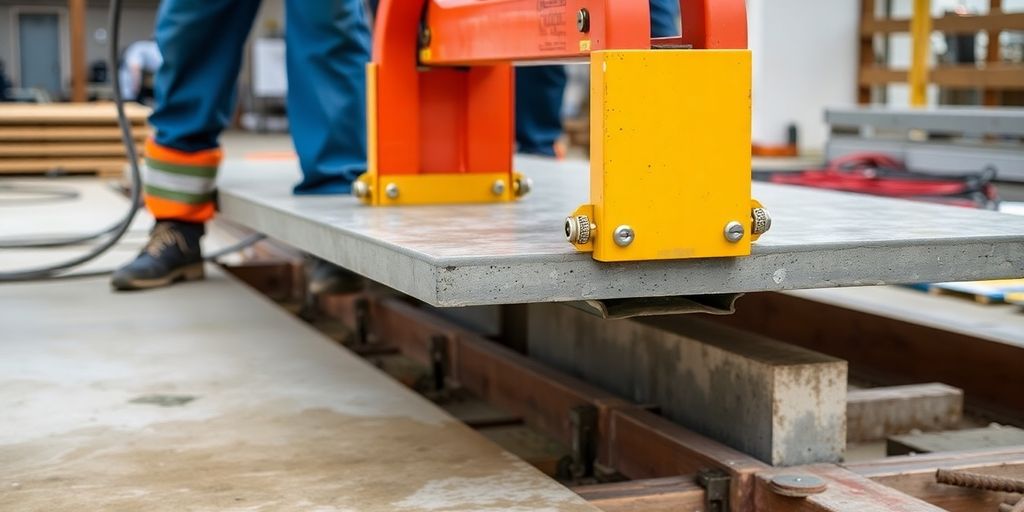
One of the top benefits of slab lifting is that it saves time and money. Unlike replacing concrete, which can take weeks and cost a lot, slab lifting can often be done in just a few hours. This method is less invasive, quicker, and more cost-effective. Here’s a quick comparison:
| Method | Time Required | Cost |
|---|---|---|
| Slab Lifting | A few hours | $3 to $20 per sq. ft. |
| Concrete Replacement | Weeks | $10 to $30 per sq. ft. |
Environmental Advantages
Slab lifting is also better for the environment. It produces zero waste, meaning no old concrete ends up in landfills. This method is quieter, as it doesn’t involve breaking concrete, reducing noise pollution.
Minimal Disruption to Property
Another great benefit is that slab lifting is minimally disruptive. You don’t have to move anything off the slab, which won’t harm your landscaping. This means you can continue using your space without significant interruptions.
Slab lifting helps extend the life of your concrete surfaces, making it a smart choice for homeowners.
In summary, slab lifting is a quick, cost-effective, and environmentally friendly solution that minimizes disruption to your property. It’s a practical choice for anyone dealing with uneven concrete surfaces.
Techniques Used in Slab Lifting
Polyurethane Foam Injection
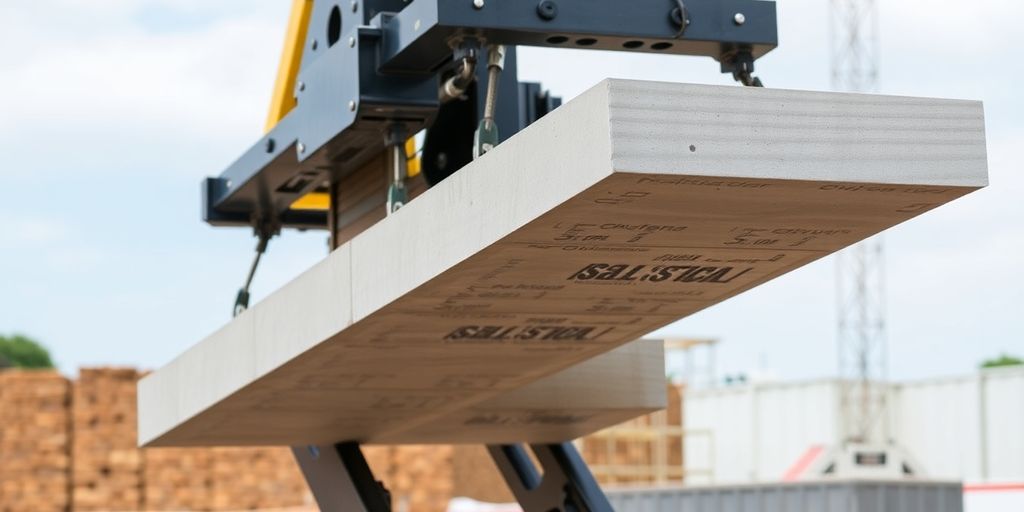
Polyurethane foam injection is a modern method for lifting concrete slabs. This technique involves drilling small holes into the concrete and injecting lightweight foam that expands beneath the slab. This method is efficient and quick, allowing the slab to be raised and stabilized quickly. The foam fills voids and provides support, making it a popular choice for many homeowners.
Mudjacking
Mudjacking, also known as slab jacking, is a traditional technique that uses a slurry mixture of water, soil, sand, and cement. This mixture is pumped under the slab through drilled holes. It hardens and creates a solid base that lifts the concrete back to its original position. However, mudjacking has some limitations, especially when dealing with heavy structures, as it may not provide uniform lifting.
Stone Slurry Grout Leveling
This method combines elements of mud jacking with precision techniques. It uses finely crushed stones mixed with water injected beneath the slab. While it offers better control over density, it can be heavier and more expensive than mud jacking. It’s essential to consider the soil condition before choosing this method.
Self-Leveling Concrete
Self-leveling concrete is a user-friendly option for DIY enthusiasts. Enhanced with polymers, this material can be applied directly to uneven surfaces. It dries quickly and requires minimal water, making it suitable for indoor projects. Homeowners can achieve smooth, even floors without professional help.
| Technique | Pros | Cons |
|---|---|---|
| Polyurethane Foam Injection | Quick, efficient, minimal drilling | Higher initial cost |
| Mudjacking | Cost-effective, widely used | Not suitable for heavy structures |
| Stone Slurry Grout Leveling | Better density control | Heavier, more expensive |
| Self-Leveling Concrete | Easy to use, quick-drying | Limited to smaller projects |
Each technique has its own strengths and weaknesses. Choosing the right one depends on the specific needs of your project and the condition of the concrete.
Cost of Slab Lifting
Factors Influencing Cost
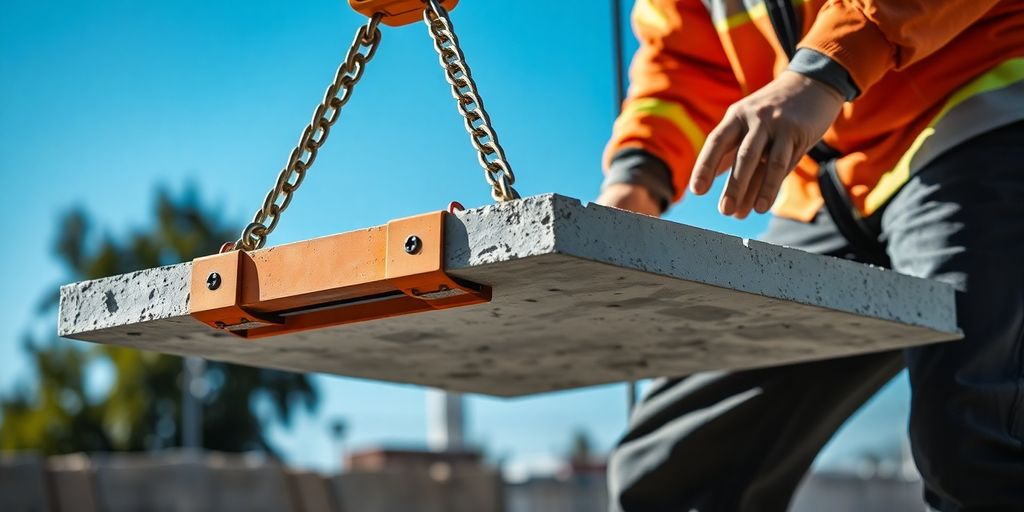
The cost of slab lifting can vary based on several factors:
- Severity of Damage: More extensive damage typically requires more work and materials.
- Area Size: Larger areas will naturally cost more to lift.
- Method Used: Different techniques, like mud jacking or polyurethane foam injection, have varying costs.
Average Cost Estimates
Slab lifting costs between $3 and $20 per square foot. This range can depend on the specific method used and the local market conditions. Here’s a quick breakdown:
| Method | Cost per Square Foot |
|---|---|
| Mudjacking | $3 – $8 |
| Polyurethane Foam Injection | $8 – $20 |
Cost Comparison with Concrete Replacement
Choosing slab lifting over concrete replacement can save you significant money. Here’s a simple comparison:
- Slab Lifting: Typically less than half the cost of replacement.
- Concrete Replacement: This can be much more expensive, often requiring additional time and labor.
In summary, slab lifting is a cost-effective solution for repairing sunken concrete. It not only saves money but also minimizes disruption to your property.
Choosing a Slab Lifting Contractor
What to Look for in a Contractor
When selecting a contractor for slab lifting, consider the following:
- Experience: Look for contractors with a proven track record in slab lifting.
- Reviews: Check customer feedback to gauge satisfaction.
- Certifications: Ensure they have the necessary licenses and certifications.
Questions to Ask Potential Contractors
Before hiring, ask these critical questions:
- What methods do you use for slab lifting?
- Can you provide references from past clients?
- What is your warranty policy on the work performed?
Verifying Credentials and Reviews
To ensure you choose the right contractor:
- Check Online Reviews: Look for ratings on platforms like Google or Yelp.
- Request Proof of Insurance: This protects you in case of accidents.
- Verify Licenses: Confirm that they are licensed to operate in your area.
Choosing the right contractor is crucial for a successful slab lifting project. Make sure to do your research and ask the right questions to avoid potential issues.
Summary
Finding a reliable slab lifting contractor involves carefully considering their experience, methods, and customer feedback. You can ensure a smooth and effective lifting process by asking the right questions and verifying their credentials.
DIY vs. Professional Slab Lifting
Pros and Cons of DIY Slab Lifting
- Cost Savings: Doing it yourself can save money on labor costs.
- Flexibility: You can work on your schedule.
- Learning Experience: Gaining hands-on skills can be rewarding.
However, there are significant downsides:
- Risk of Damage: You might cause more harm than good without proper knowledge.
- Limited Tools: Professionals have specialized equipment that DIYers may lack.
- Time-Consuming: DIY projects can take longer than expected.
Risks of DIY Slab Lifting
- Structural Damage: Incorrect lifting can lead to cracks or further sinking.
- Injury: Heavy lifting and equipment can pose safety risks.
- Increased Costs: Mistakes may lead to higher repair costs later.
Benefits of Hiring Professionals
- Expertise: Professionals have the training and experience to do the job right.
- Quality Assurance: They ensure the work meets safety standards.
- Time Efficiency: Professionals can complete the job faster than a DIYer.
Hiring a professional can save you from potential headaches and higher costs down the line.
While DIY slab lifting may seem appealing due to cost savings, the risks often outweigh the benefits. Professional help ensures the job is done correctly and safely, making it a worthwhile investment.
Conclusion
In summary, slab lifting is an intelligent choice for fixing uneven concrete surfaces without the hassle of replacing them. This method saves time and money and helps the environment by reducing waste. Using techniques like mud jacking or polyurethane foam injection, you can restore your concrete to its original level quickly and effectively. Remember, slab lifting is best for areas like driveways and patios, not entire house foundations. If you notice cracks or sinking in your concrete, consider slab lifting a practical solution to keep your home safe and looking good.
Reach out to Concrete Concrete today and get your quote. (801) 420-5243
Frequently Asked Questions
What is slab lifting?
Slab lifting is a way to raise and level sunk concrete slabs. It involves injecting materials under the slab to lift it back into place without replacing the whole slab.
When should I consider slab lifting?
If you see cracks in your concrete, uneven surfaces, or water pooling in certain areas, consider slab lifting. It’s great for driveways, sidewalks, and patios.
What are the benefits of slab lifting?
Some benefits include saving time and money, being eco-friendly, and causing little disruption to your yard or property. It’s a quick fix compared to replacing concrete.
What techniques are used for slab lifting?
Common techniques include polyurethane foam injection, mud jacking, stone slurry grout leveling, and self-leveling concrete. Each method lifts the slab differently.
How much does slab lifting cost?
The cost can vary, but it usually ranges from $3 to $20 per square foot. Factors like the size of the area and the method used will influence the price.
Can I do slab lifting myself?
While some people try DIY methods, it’s best to hire professionals. They have the right tools and experience to do the job safely and effectively.


